
Watershed monitoring is a systematic process of collecting, analyzing, and interpreting data about the physical, chemical, and biological characteristics of a watershed to assess its health, track changes over time, and inform water management decisions. This comprehensive approach encompasses multiple interconnected components that work together to provide a complete understanding of watershed conditions and ecosystem health.gov+2
Core Components of Watershed Monitoring
Water Quality Assessment
Water quality monitoring forms the foundation of watershed assessment, involving the measurement of physical, chemical, and biological parameters that indicate the health of aquatic ecosystems. Key water quality parameters include temperature, dissolved oxygen, pH, conductivity, turbidity, nutrients (nitrogen and phosphorus), metals, bacteria, and suspended solids.ecology.wa+2
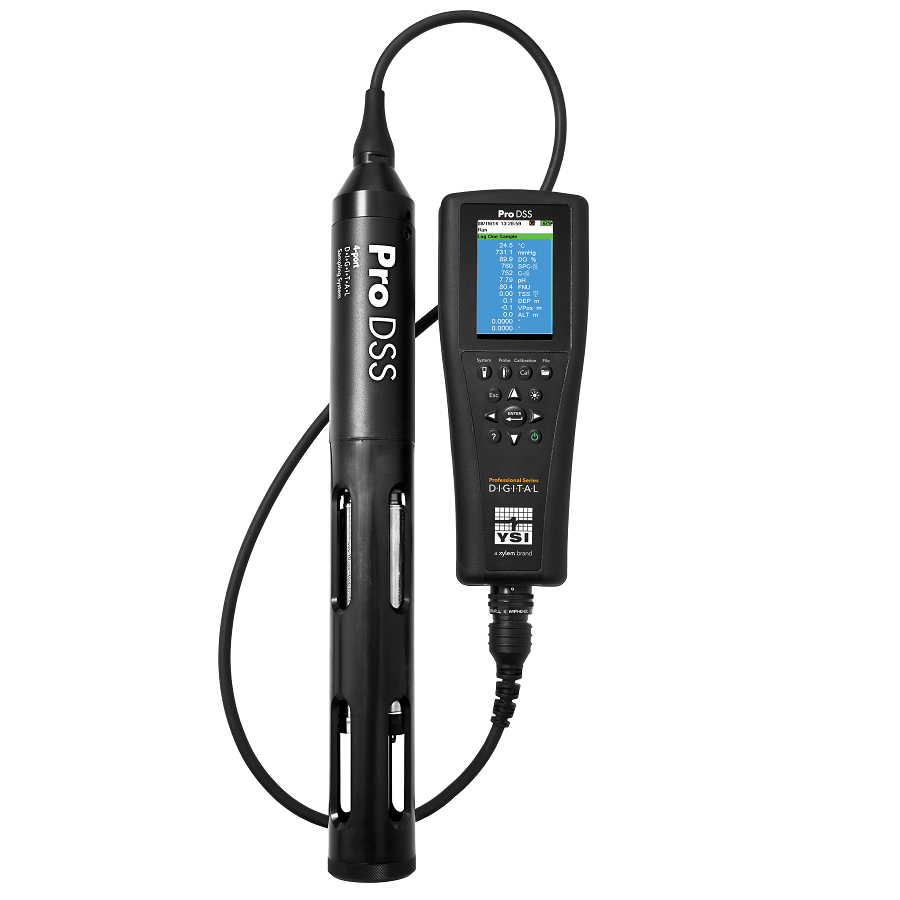
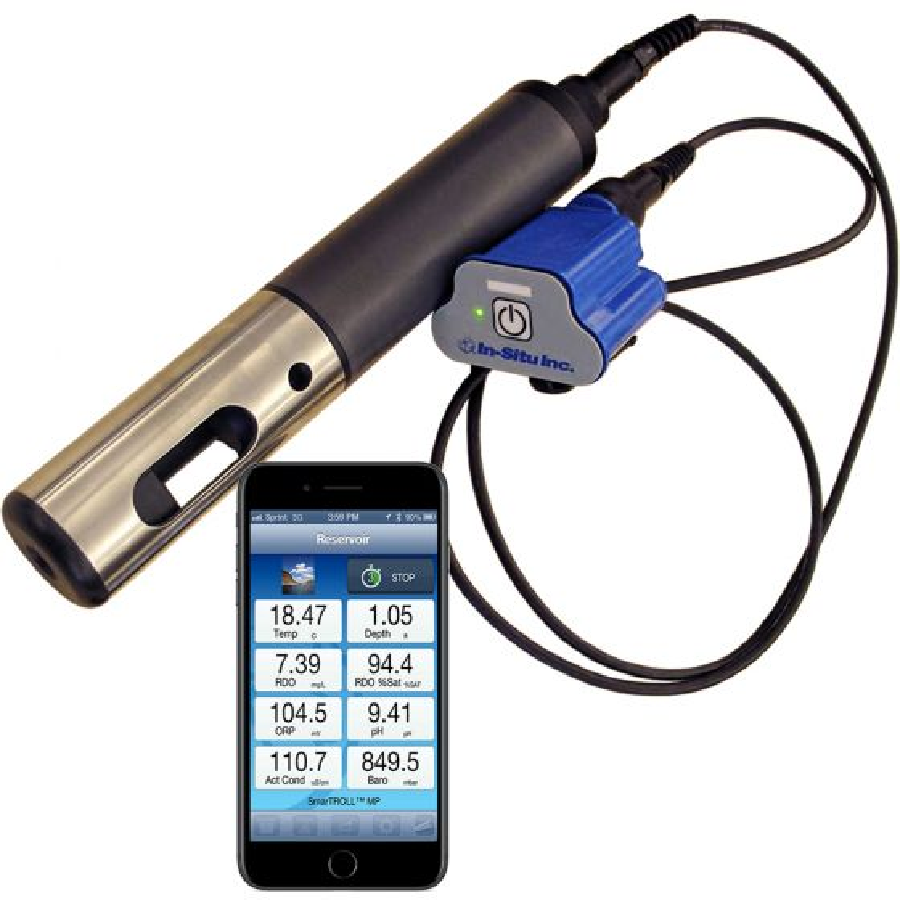
Modern monitoring programs utilize both grab sampling and continuous monitoring systems. Grab samples are collected manually at specific times and locations, then analyzed in laboratories for detailed chemical composition. Continuous monitoring employs automated sensors and sondes that measure parameters like temperature, pH, dissolved oxygen, and conductivity at regular intervals—typically every 15 minutes—providing real-time data transmission.open.alberta+2
Hydrometric Monitoring
Hydrometric monitoring involves the systematic measurement of water quantity, including water levels (stage) and flow rates (discharge) in rivers, streams, and lakes. This component utilizes hydrometric stations equipped with various measurement technologies:publications+1
-
Staff gauges provide direct visual readings of water levels
-
Pressure transducers automatically record water level changes
-
Ultrasonic and acoustic sensors measure water levels without direct contact
-
Float and pulley systems track water level fluctuations in stilling wellsysi+1
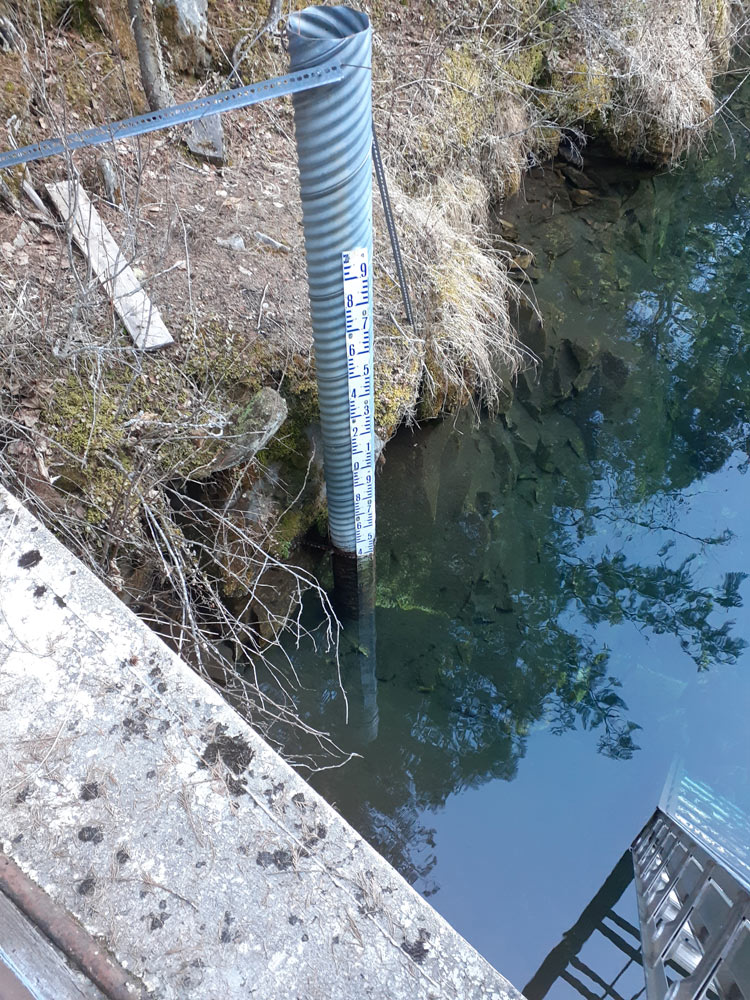
Water Survey of Canada operates over 2,800 active hydrometric gauges across the country, providing essential data for flood forecasting, drought monitoring, and water resource management.canada
Groundwater Monitoring
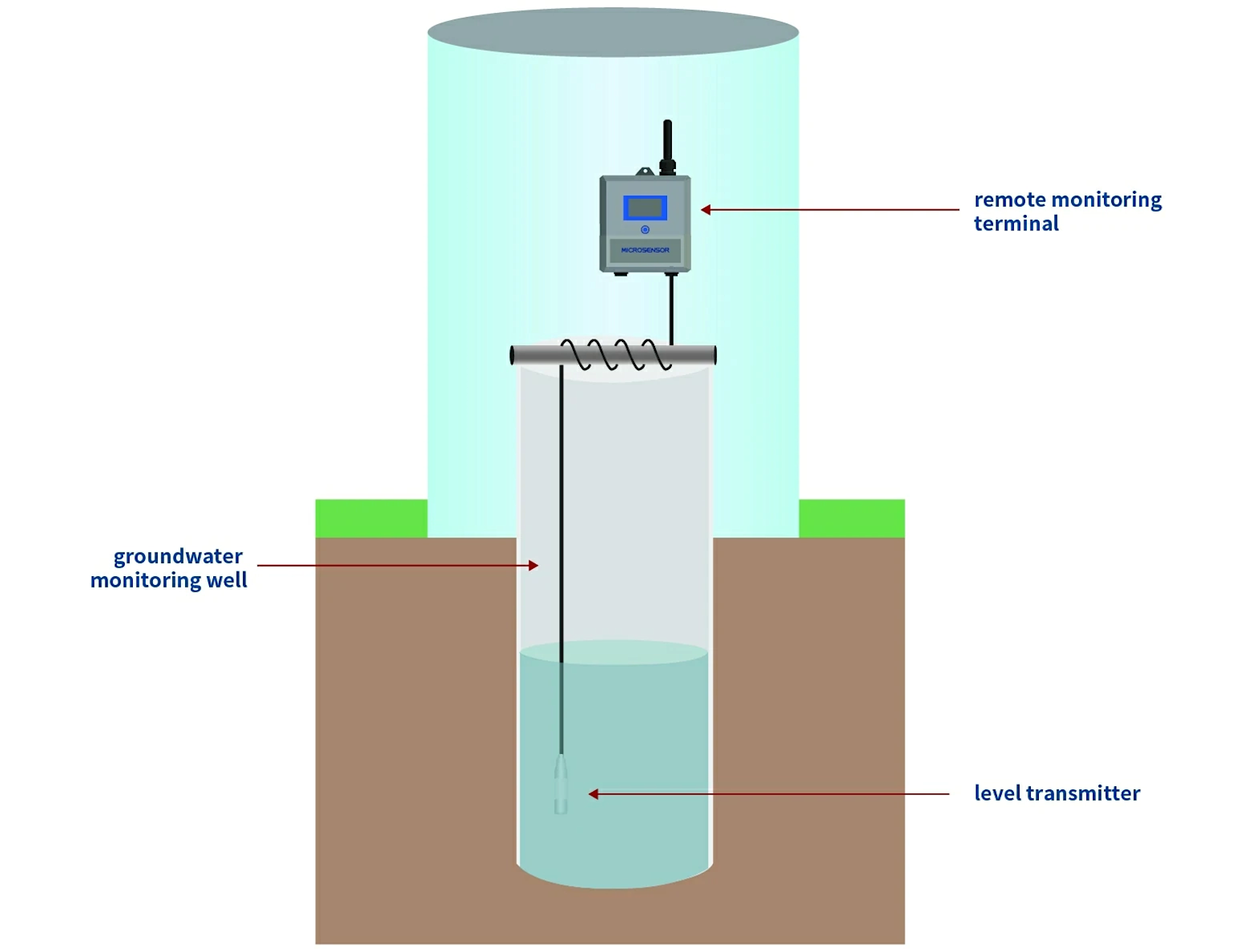
Groundwater monitoring involves tracking water levels and quality in underground aquifers through networks of observation wells. Alberta's Groundwater Observation Well Network (GOWN) includes 306 actively monitored wells, with 232 equipped with electronic data loggers and 57 transmitting hourly data via satellite.alberta+1
Groundwater monitoring wells are strategically placed to:
-
Detect changes in groundwater levels and flow patterns
-
Monitor water quality parameters and potential contamination
-
Assess interactions between surface water and groundwater
-
Provide early warning of environmental impactsgrandriver+1
Biological Monitoring (Biomonitoring)
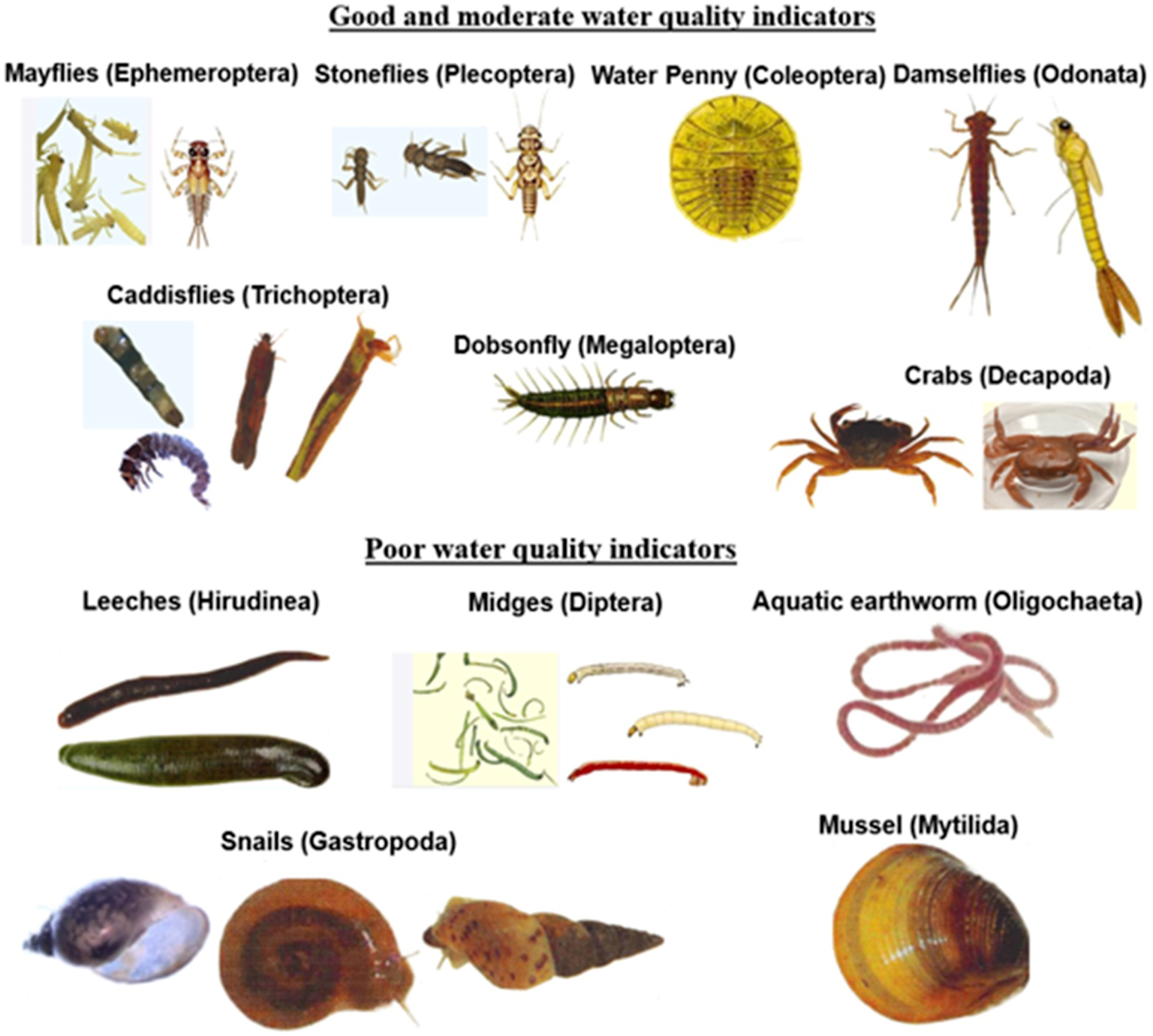
Biomonitoring assesses aquatic ecosystem health using living organisms as indicators of environmental conditions. Benthic macroinvertebrates—bottom-dwelling organisms without backbones—serve as particularly effective bioindicators because they:saugeenconservation+2
-
Remain in specific locations for extended periods
-
Exhibit varying sensitivity to environmental stressors
-
Reflect cumulative effects of multiple pollutants
-
Respond to habitat changes not detected by chemical analysisepa+2
The Canadian Aquatic Biomonitoring Network (CABIN) provides standardized protocols for collecting and analyzing benthic macroinvertebrate data, using reference condition approaches to compare test sites with minimally impacted reference streams.gov+1
Monitoring Network Design and Implementation
Spatial Coverage and Site Selection
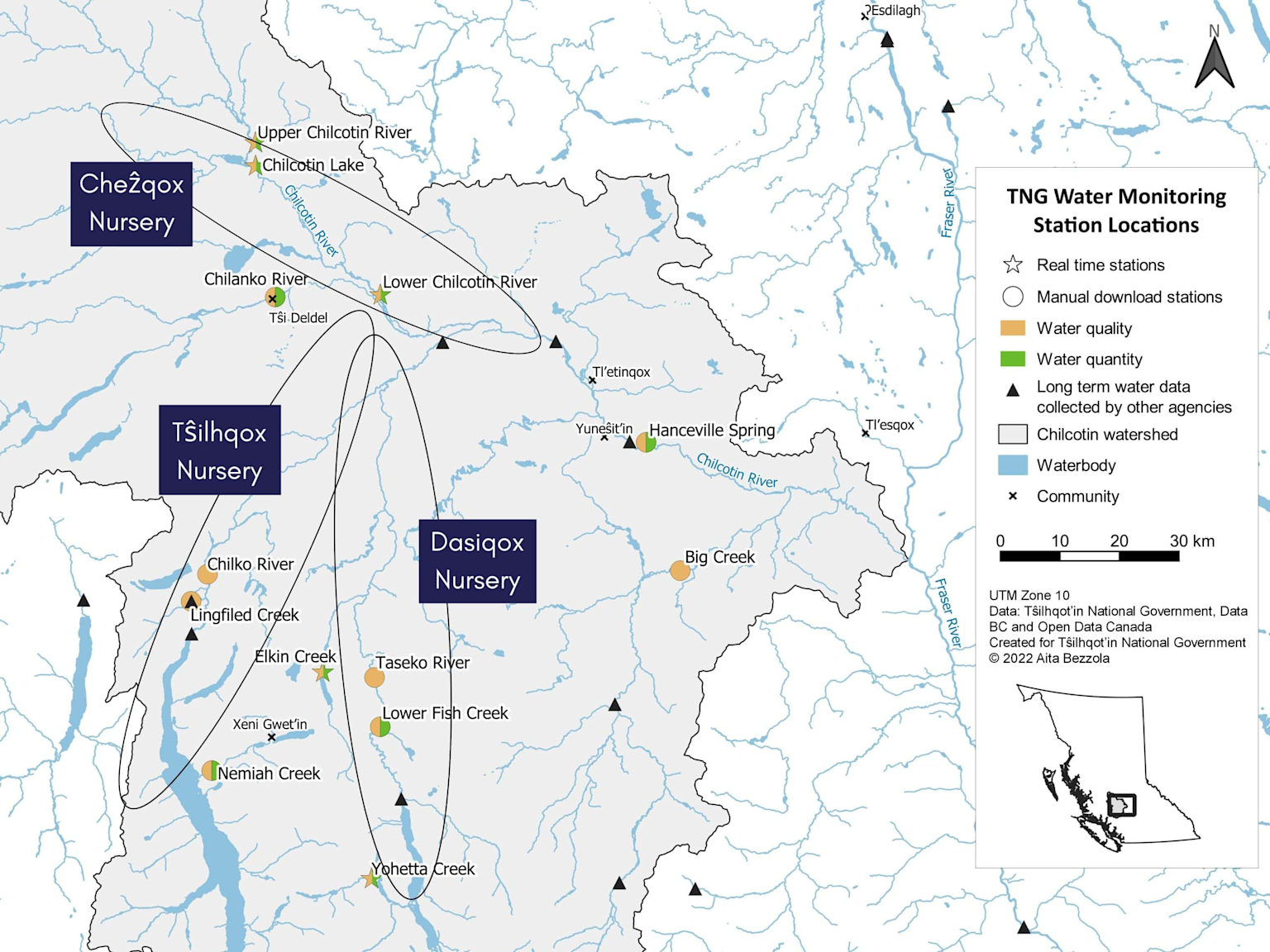
Effective watershed monitoring requires careful selection of monitoring sites to ensure representative coverage of the watershed. Site selection criteria include:gov+1
-
Representative conditions of different sub-watersheds and land uses
-
Safe accessibility for equipment installation and maintenance
-
Strategic locations near watershed outlets to capture cumulative effects
-
Reference sites in minimally disturbed areas for comparisonopen.alberta+1
The hierarchical approach often follows stream order, with monitoring stations located at confluences and outlets of major tributaries to quantify mass fluxes and tributary inputs.wmo+1
Temporal Frequency and Sampling Design
Monitoring frequency depends on objectives and parameter variability. Continuous monitoring provides high-resolution data for parameters that change rapidly, while discrete sampling may be adequate for more stable parameters. Many programs combine both approaches:ecology.wa+1
-
Event-based sampling captures storm runoff and peak pollution loading
-
Regular sampling (monthly or quarterly) tracks seasonal patterns
-
Real-time monitoring enables rapid response to changing conditionsfllowpa+1
Technology Integration
Modern watershed monitoring integrates advanced technologies to enhance data collection and analysis:
Remote sensing and telemetry systems enable real-time data transmission from remote locations via cellular, satellite, or radio communications. Automated data loggers and multi-parameter sondes reduce labor costs while increasing data resolution.ysi+2
Pollution Source Identification
A critical aspect of watershed monitoring involves identifying and tracking pollution sources within the watershed. Stressed stream analysis provides a systematic approach for locating pollution sources by:fllowpa+1
-
Priority ranking of sub-watersheds based on pollutant loading calculations
-
Segment analysis to trace pollutants back to their origins along tributaries
-
Land use inventory to identify specific point and non-point sourcesfllowpa
This approach helps prioritize remedial actions and best management practices where they will have the greatest beneficial impact.repository.lsu+1
Quality Assurance and Data Management
Successful watershed monitoring programs require robust Quality Management Systems that include:
-
Standard operating procedures governing data collection and analysis
-
Quality control protocols ensuring data accuracy and consistency
-
Calibration procedures for instruments and analytical methods
-
Data validation and quality assurance measureswmo+1
Data management systems must accommodate diverse data types from multiple sources, including spatial and temporal attributes, water quality variables, and metadata.ccme+1
Monitoring Program Objectives and Applications
Watershed monitoring serves multiple purposes:
-
Trend detection to identify long-term changes in water quality and quantity
-
Compliance monitoring to ensure adherence to water quality standards
-
Effectiveness monitoring to assess the success of management interventions
-
Early warning systems for flood forecasting and contamination events
-
Research support for understanding watershed processes and ecosystem functionsiisd+2
The integration of these diverse monitoring components provides watershed managers with comprehensive information needed to protect water resources, maintain ecosystem health, and make informed decisions about land and water use practices. Real-time monitoring capabilities increasingly enable adaptive management approaches that can respond quickly to changing environmental conditions.iisd
- https://www2.gov.bc.ca/assets/gov/environment/air-land-water/water/waterquality/monitoring-water-quality/water-stewardship/community_water_monitoring_start_up_guide.pdf
- https://open.alberta.ca/dataset/9077fa81-3179-4a25-8db9-284ae47841e9/resource/31de844e-385a-4a25-b919-a5a5a462cc97/download/aep-watershed-monitoring-program-technical-progress-report-2018-2019.pdf
- https://ecology.wa.gov/research-data/monitoring-assessment/river-stream-monitoring/water-quality-monitoring/river-stream-monitoring-methods
- https://www.ysi.com/parameters
- https://www.gov.nt.ca/ecc/en/services/water-management-and-monitoring/monitoring-parameters-fact-sheets
- https://www.ysi.com/ysi-blog/water-blogged-blog/2025/08/real-time-water-data-simplified-introducing-hydrorig
- https://publications.gc.ca/collections/collection_2023/eccc/En37-274-2023-eng.pdf
- https://api.weather.gc.ca/collections/hydrometric-stations?lang=en
- https://www.ysi.com/parameters/level
- https://www.canada.ca/en/environment-climate-change/services/water-overview/quantity/monitoring/survey.html
- https://www.alberta.ca/lookup/groundwater-observation-well-network.aspx
- https://www.grandriver.ca/our-watershed/water/groundwater-resources/groundwater-monitoring/
- https://www.alberta.ca/system/files/tec-sr1-groundwater-monitoring-plan.pdf
- https://www.saugeenconservation.ca/en/water-management-and-protection/biomonitoring.aspx
- https://gov.bc.ca/biomonitoring
- https://www.epa.gov/sites/default/files/2015-10/documents/monitoring_chap3_1997.pdf
- https://watersheds.ca/macroinvertebrate-biomonitoring-small-creatures-big-impacts/
- https://www.canada.ca/en/environment-climate-change/services/canadian-aquatic-biomonitoring-network.html
- https://wmo.int/media/magazine-article/5-essential-elements-of-hydrological-monitoring-programme
- https://www.fllowpa.org/Documents/infoex99.pdf
- https://www.iisd.org/system/files/2023-06/real-time-water-quality-monitoring.pdf
- https://www.flowlink.ca/monitoring-systems
- https://www.ysi.com/exo
- https://repository.lsu.edu/gradschool_theses/3778/
- https://ccme.ca/en/res/guidancemanualforoptimizingwaterqualitymonitoringprogramdesign_1.0_e.pdf
- https://resilientwatershedstoolbox.org/sites/default/files/documents/library/Deep%20Dive%20Monitoring%20_%20Evaluation.pdf
- https://www.epa.gov/sites/production/files/2015-09/documents/czara_chapter8_monitoring.pdf
- https://dos.ny.gov/major-components-watershed-plan
- https://www.ncbi.nlm.nih.gov/books/NBK566289/
- https://realtechwater.com/blog-post/water-quality-monitoring-in-a-watershed-requires-easy-to-use-field-meters-that-are-accurate-and-reliable/
- https://rema.gov.rw/rema_doc/Environmental%20Managemnent%20Plractical%20Tools/10-%20Practical%20Tools%20on%20Water%20Monitoring%20Methods%20and%20Instrumentation%20_Final%20Version_%2017-07-2010.pdf
- https://data.calgary.ca/Environment/Watershed-Surface-Water-Quality-Data/y8as-bmzj
- https://uwaterloo.ca/global-water-futures-impact/projects-0/transformative-sensor-technologies-and-smart-watersheds
- https://www.webapps.nwfsc.noaa.gov/assets/4/6131_07142005_182742_chap_8.pdf
- https://archive.epa.gov/nheerl/arm/web/html/watershedopts.html
- https://open.alberta.ca/publications/watershed-monitoring-program-technical-progress-report-no-2
- https://www.usgs.gov/mission-areas/water-resources/science/measuring-and-monitoring-water
- https://www.badgermeter.com/en-ca/water-quality-parameters/
- https://wateroffice.ec.gc.ca/mainmenu/real_time_data_index_e.html
- https://wateroffice.ec.gc.ca/search/real_time_e.html
- https://www.nature.com/articles/s41545-024-00325-6
- https://www.sciencedirect.com/science/article/abs/pii/S004313542500082X
- https://www.nexsens.com/systems/stream-river-monitoring
- https://www.arcgis.com/home/item.html?id=3faa686328214eb0895d2c5a4e65d13d
- https://www.sciencedirect.com/science/article/abs/pii/S0301479723011143
- https://www.epa.gov/sites/default/files/2015-10/documents/hwi-watersheds-ch1.pdf
- https://watershedreports.ca/resources/tools/
- https://open.alberta.ca/dataset/7cac016e-815c-4c60-9826-3da101f6a5c6/resource/cba55992-cdf7-41f8-b19d-8528ff06ce89/download/epa-watershed-monitoring-program-technical-progress-report-2018-2021.pdf
- https://apps.ecology.wa.gov/publications/documents/95307.pdf
- https://www.crowevalley.com/ground-water/
- https://www.campbellsci.ca/surface-water
- https://www.ysi.com/products
- https://www.badgermeter.com/en-ca/products/water-quality-monitoring/
- https://brbc.ab.ca/groundwater-monitoring
- https://www.solinst.com
- https://oldmanwatershed.ca/blog-posts/2024/3/4/well-what-about-groundwater
- https://athabascawatershed.ca/projects/upper-athabasca-biomonitoring/
- https://www.epa.gov/water-research/water-sensors-toolbox
- https://livinglakescanada.ca/project/alberta-groundwater-program/


No comments:
Post a Comment