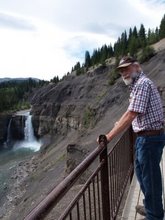

Hand Hills Ecological Reserve is a provincially protected area in Alberta, Canada, recognized for its outstanding ecological and conservation value. Here are the key details:
Location and Size
- Located approximately 28–30 km southeast of Drumheller, adjacent to the northwest shore of Little Fish Lake[1][2].
- The reserve covers 2,229 hectares (5,507.8 acres), making it one of the largest remaining tracts of northern fescue grassland in the world[1][2][3].
Ecological Significance
- The reserve protects the largest intact stretch of northern fescue prairie globally, an ecosystem now rare on the Canadian plains[4][2][5].
- It features a mosaic of habitats: lush fescue grasslands, moist meadows, shrub thickets, aspen woodlands, alkaline seepage springs, and ephemeral streams[4][2].
- Over 250 plant species have been recorded, including western wood lilies, mountain shooting stars, crowfoot violets, and yellow paintbrush[5].
Wildlife
- More than 130 bird species are found here, including several that are rare or endangered[6][3][5].
- Notable species:
- Endangered piping plover nests along Little Fish Lake[1][6][2][5].
- Threatened ferruginous hawk and prairie long-tailed weasel inhabit the reserve[1][6][2][5].
- Other species include burrowing owls, long-billed curlews, American avocets, sandpipers, white-faced ibises, phalaropes, stilts, and boreal chorus frogs[5].
- The area is critical habitat for migrating waterfowl and shorebirds[4][2].
Vegetation
- Lightly grazed sites: porcupine grass, June grass, spear grass, northern wheatgrass[1][6][2].
- More heavily grazed sites: blue grama grass, low sedge[1][2].
- The landscape is a remnant of the vast native grasslands that once supported bison herds[6].
Human History and Use
- Indigenous presence dates back about 10,000 years; tipi rings have been found within the reserve[3].
- European settlement brought ranching and agriculture, which remain important in the region[3].
- The reserve was established in 1997 under Alberta’s Wilderness Areas, Ecological Reserves, Natural Areas and Heritage Rangelands Act to conserve grasslands and bird habitats[1][3].
- The name "Hand Hills" may refer to either a Blackfoot leader with small hands or the hills’ resemblance to outstretched fingers[2].
Access and Recreation
- Backcountry hiking and wildlife viewing are permitted; camping and open fires are not allowed[6][5].
- Motorized recreation is prohibited, though limited motorized access for grazing lessees is allowed[2].
- The area is remote and sees little visitation, offering a pristine grassland experience[5].
Conservation Challenges
- The reserve is part of a patchwork of protected and unprotected lands; it and Little Fish Lake Provincial Park together cover only about 7.2% of the broader Hand Hills Area of Concern[4][2].
- Ongoing issues include habitat fragmentation and balancing agricultural use with conservation goals[3].
Administration
- Managed by Alberta Parks under the Parks Division, with oversight from the Central Regional Office, Wainwright District[1][2].
- Falls within the Red Deer Land Use Framework Region and the South Saskatchewan River basin[1][4].
Hand Hills Ecological Reserve is a rare and vital refuge for prairie biodiversity, preserving unique grassland habitats and supporting a diverse array of wildlife, including several species at risk[1][6][4][2][3][5].
⁂
- https://www.albertaparks.ca/parks/central/hand-hills-er/
- https://sapaastewards.com/protected-areas/list-of-protected-areas/hand-hills-er/
- https://albertaancestors.ca/books/b0129-hand-hills-heritage/
- https://albertawilderness.ca/issues/wildlands/grasslands/hand-hills/
- https://calgaryherald.com/life/penner-important-prairie-grasslands-get-short-shrift-from-public
- https://www.travelalberta.com/listings/hand-hills-ecological-reserve-12780


No comments:
Post a Comment